

Jim Jim Falls, one of the most beautiful waterfalls in Australia, is located in Kakadu National Park in the Northern Territory. This stunning natural wonder drops around 200m, and is breathtaking during the wet season. The falls are part of the Arnhem Land Plateau and are an important part of the region’s ecosystem. Many people visiting Kakadu National Park stay at the Mercure Kakadu Crocodile Hotel, a unique accommodation that combines comfort with cultural significance. But how did Jim Jim Falls come to be? Let’s look at its geological history and formation process.
The Geology of Jim Jim Falls
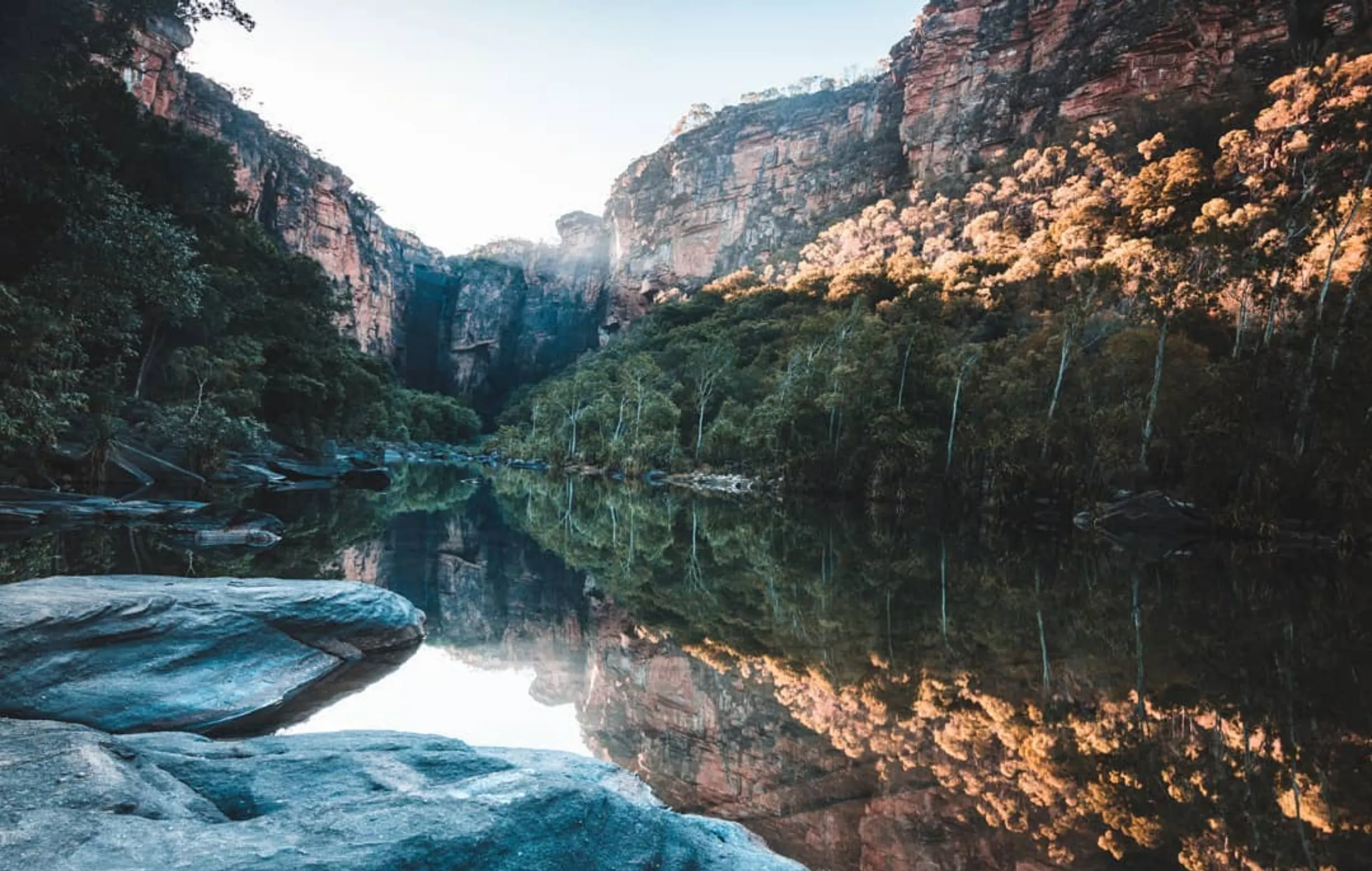
The formation of Jim Jim Falls is over millions of years of geological activity, erosion, weathering and tectonic movement. The falls are part of the Arnhem Land Plateau, a massive sandstone escarpment that has been shaped over time by the elements. The Kombolgie Sandstone Formation, with its lighter coloured sandstone cap, is a prominent feature of this landscape.landform erosionThe formation of Jim Jim Falls is over millions of years of geological activity, erosion, weathering and tectonic movement. The falls are part of the Arnhem Land Plateau, a massive sandstone escarpment that has been shaped over time by the elements. The Kombolgie Sandstone Formation, with its lighter coloured sandstone cap, is a prominent feature of this landscape.
1. Sandstone and Erosion
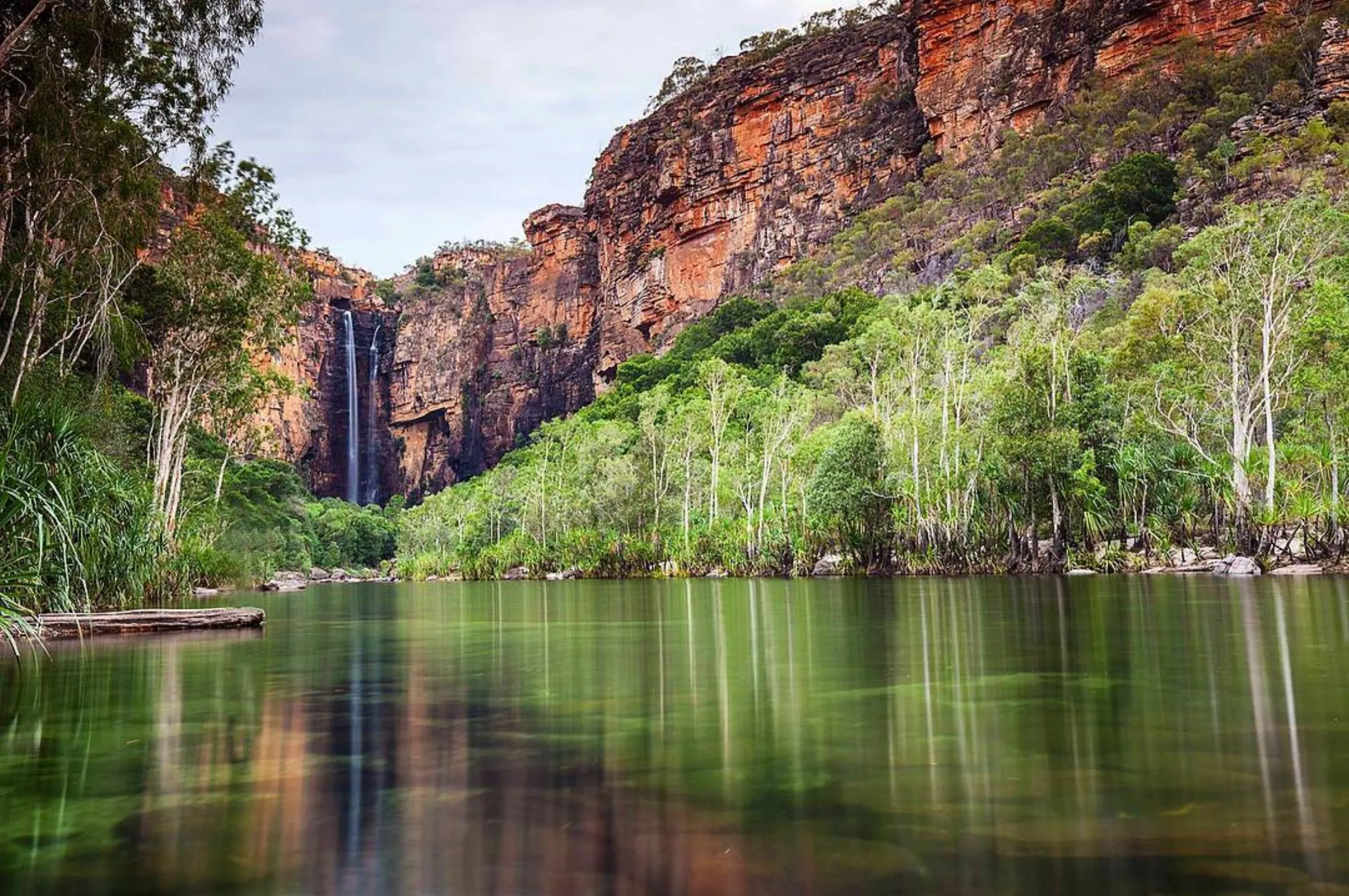
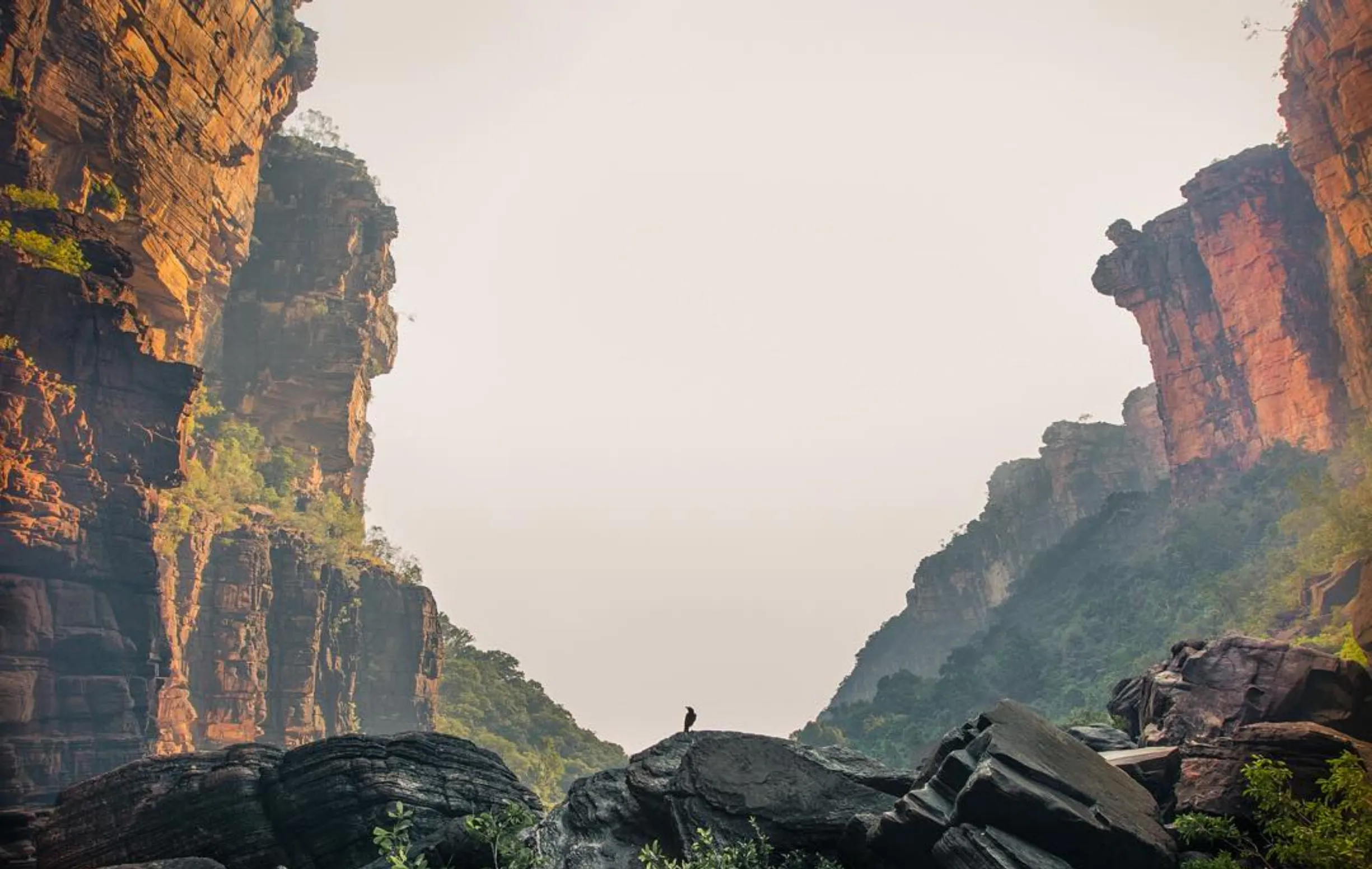
The base of Jim Jim Falls is ancient sandstone, around 1.6 billion years old. Over time, natural forces like wind, water and temperature fluctuations have worn away the escarpment. The soft rock layers were eroded, while the harder layers remained, creating deep gorges, cliffs and escarpment walls that form the waterfall today.
2. Tectonic Movement and Uplift
Tectonic activity played a big role in shaping the landscape. Over millions of years, parts of the land moved and rose, causing dramatic changes in elevation that allowed waterfalls like Jim Jim Falls to form. These uplift events created the steep cliffs, deep plunge pools and the network of tunnels in the area today.
3. Seasonal Water Flow and the Wet Season Impact
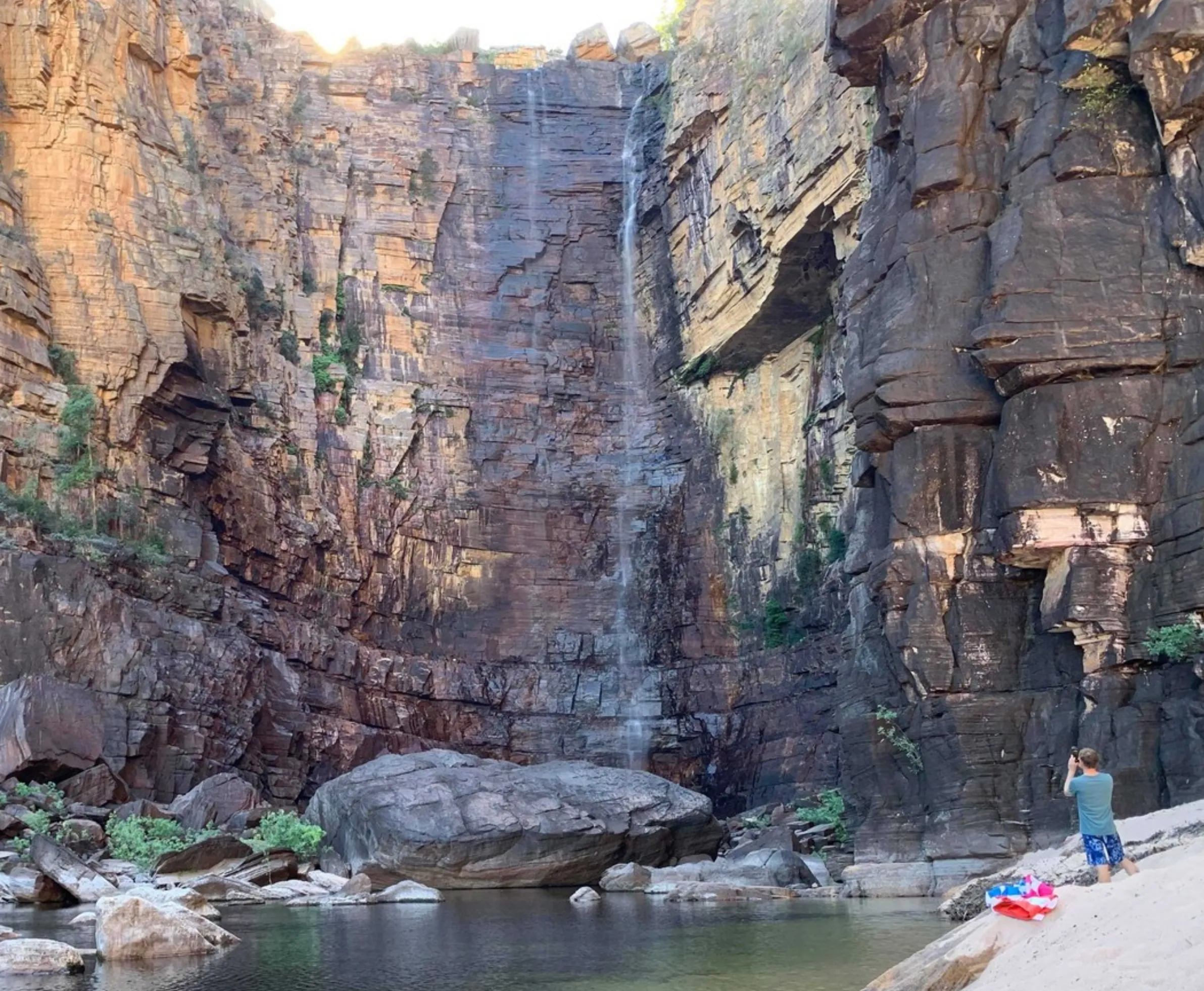
Jim Jim Falls is a seasonal waterfall, meaning it only flows during the wet season (November to April) when the monsoonal rains flood the river system and there’s plenty of water. During this time the water cascades through the rock, further deepening the gorges and refining the shape of the falls. In the dry season the falls can be just a trickle or dry up completely, revealing the rugged rock formations, submerged rocks and blocks of rock that tell its geological story.
Wildlife and Plant Life in the Area
The Jim Jim Falls area has lots of different flora and various fauna, many endemic plants, loads of plants and tall vegetation in the gorges. Main vegetation is banyan figs, water pandanus and aerial-rooted plants in the moist gorges. There’s alluvial soil, flat land and samphire flats near the river banks.
In terms of wildlife, the area is home to freshwater crocodiles, estuarine (saltwater) crocodiles and many migratory birds and birds. The falls and surrounding waterholes, like the Yellow Water Billabong, have barramundi, amphibians and reptiles during breeding season.
Nearby Attractions and Cultural Significance
- Twin Falls & Barramundi Gorge: Nearby Twin Falls and Barramundi Gorge have similar geological formations with deep pools and natural beauty.
- Aboriginal Rock Art and Archaeological Sites: The Kakadu National Park area has many Aboriginal rock art sites, Ubirr Rock, Nourlangie Rock and Anbangbang Billabong which have ancient cultural sites and history.
- Yellow Water & Alligator Rivers: The South Alligator, East Alligator and Mary River systems, the braided rivers and Tidal Flats make up the park’s diverse ecosystem. Crocodile warning signs are common near waterholes due to estuarine crocodiles.
- Scenic Flights & 4WD Roads: A scenic flight over Kakadu is breathtaking, while 4WD roads take you to some of the park’s more remote areas, Jim Jim Creek and Waterfall Creek.
- Traditional Owners and Cultural Heritage: The land is very important to the Aboriginal people who have lived here for thousands of years. You can explore traditional owner stories and connections to the land with guided tours.
- Tours & Day Trips: Want to see more of Kakadu National Park? Try a 2 Day Kakadu tour which includes waterfalls, cultural sites and wildlife. If you’re short on time, a Darwin to Kakadu day trip will get you to Jim Jim Falls, rock art sites and the Yellow Water Billabong.
Final Thoughts
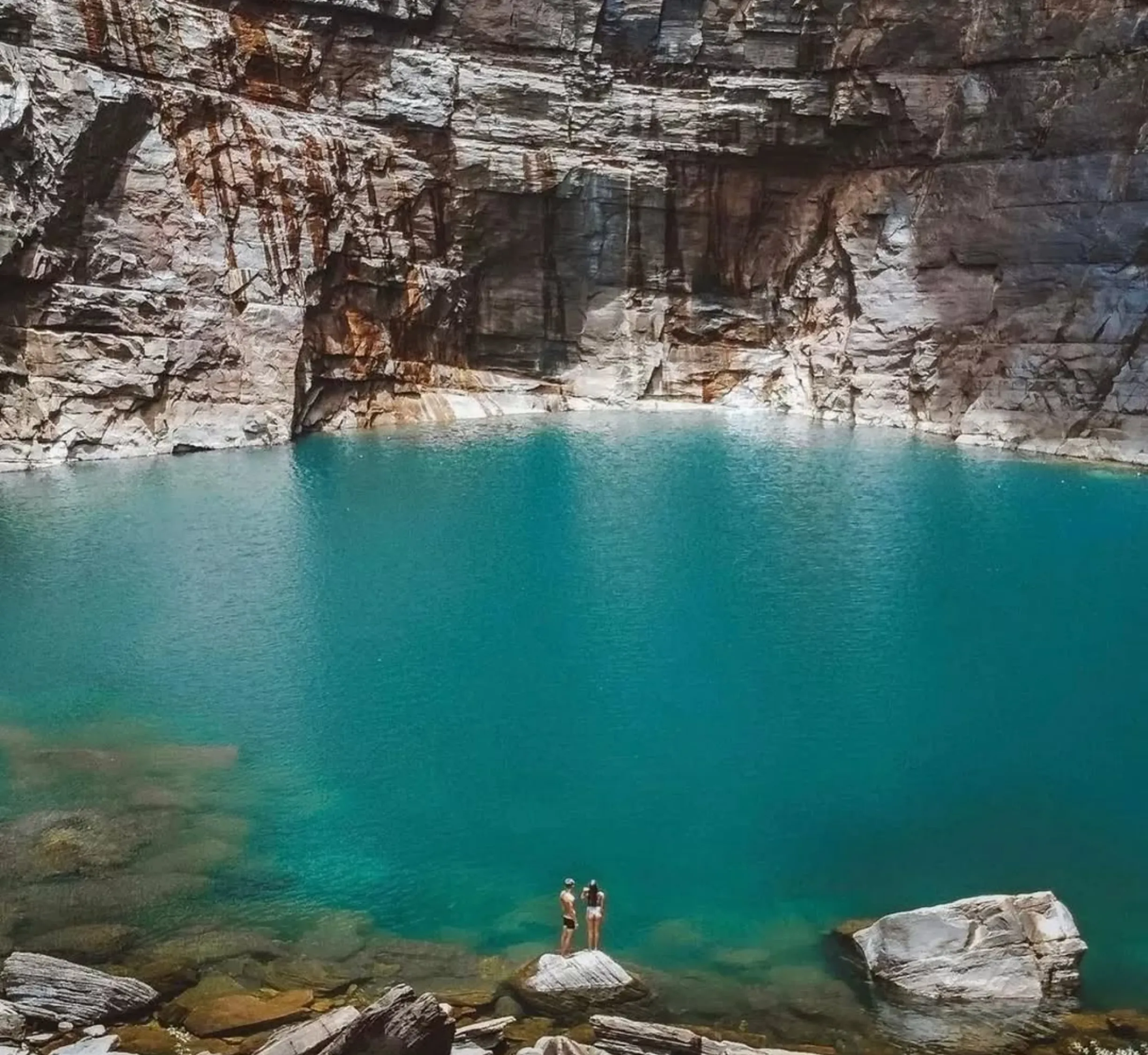
Jim Jim Falls is a monument to the power of nature that has shaped our landscape over billions of years. From landform erosion to tectonic activity and monsoon season impacts, its formation is a geological marvel. For a trip of a lifetime, visit Jim Jim Falls during the wet season and be amazed by nature at its best. Whether you’re exploring the river beds of Barramundi Creek, admiring cliff shorelines or watching the changes in water safety levels, this region is an adventure like Jurassic Park.
FAQ
When is the best time to visit Jim Jim Falls?
Best time to visit is during the wet season (November to April) when the falls are at their best. However, access is limited during this time so a scenic flight is often the best way to see them. During the dry season you can hike to the base of the falls.
How do I get to Jim Jim Falls?
Jim Jim Falls is accessible by 4WD roads from Jabiru in Kakadu National Park. The road is rough so a high clearance 4WD is required. Many visitors join 2 Day Kakadu tours for a stress free experience.
Is it safe to swim at Jim Jim Falls?
Swimming is only allowed in designated areas during the dry season when water levels are lower. Crocodile warning signs must always be followed as estuarine crocodiles can be present.
What else can I visit?
Nearby attractions include Twin Falls, Barramundi Gorge, Nourlangie Rock and the Yellow Water Billabong. These places showcase the different landscapes, wildlife and Aboriginal rock art of Kakadu.
Where should I stay?
Accommodation in Jabiru includes the Mercure Kakadu Crocodile Hotel which is located close to the park’s attractions.