

third-party lead providers for Melbourne tradies predictable growth trade business marketplaces they rent from
electricians, plumbers, builders, and air-conditioning professionals Across Melbourne, many electricians, plumbers, builders, and air-conditioning professionals are still reliant on third-party directories for work. These platforms send the same enquiry to hundreds of contractors at once, creating price wars and lowering margins. The model can generate a lot of volume, but it never really provides a stable way to acquire new customers.
The Karma Media Strategy Team has reviewed the books of hundreds of trade marketing accounts across Australia. And one thing that keeps popping up is that businesses are constantly blowing their budget on leads from marketplaces and yet are putting hardly any effort into using controlled paid advertising, particularly really well thought-out Facebook Ads campaigns in Melbourne, combined with a Google Ads campaign and a website set up to focus on getting people to the site to convert.
When a tradie has control over how they get their customers, everything changes. Leads become exclusive, conversion rates improve, and marketing decisions are driven by performance data rather than guesswork.
This is where modern digital marketing and being able to measure the performance of your customer acquisition systems really start to give you an edge over traditional ways of getting leads from other providers.
Contents
- 1 Putting in the Legwork – Running Ads That Deliver
- 2 How to Set Up a Campaign That Delivers Results
- 3 Conversion-Focused Funnel Design
- 4 Creative Testing That Boosts Lead Quality
- 5 Data Accuracy and Attribution Infrastructure
- 6 Budget Allocation Across Digital Channels
- 7 Scaling Ads Without Killing Margins
- 8 Platform Roles in a High-Performing Digital Strategy
- 9 Boosting Long-term Customer Value
- 10 Own Leads vs Buying Leads: What Works
- 11 Building a Sustainable Lead Engine
- 12 FAQ
- 12.1 Do social media campaigns actually generate enquiries for tradies?
- 12.2 How important are customer reviews for getting those all-important online leads?
- 12.3 What tools do you use to measure marketing performance accurately?
- 12.4 Are boosted posts a good ad strategy?
- 12.5 How long does it take for a paid campaign to start performing?
Putting in the Legwork – Running Ads That Deliver

Effective campaigns aren’t built by just blasting out a post or throwing some money at an ad. They need to be structured so the platform algorithm receives the right signals to work with.
Far too many tradies just launch a campaign without even thinking about what they want to get out of it or whether they have properly set up their audiences. This means the algorithm ends up optimising for ‘likes’ and ‘Shares’ rather than getting genuine leads for them.
A well-thought-out campaign system in Ads Manager separates your audiences, services, and conversion signals, so the platform knows exactly what you want.
How to Set Up a Campaign That Delivers Results
Your campaign should have only one goal: generating genuine leads.
Your ad sets usually include:
- Targeting people in your specific service area
- Populating your ad with lookalike audiences based on your past customers
- Targeting some broad local ads so the algorithm can learn
Each ad layer should test different creative variations for services such as blocked drains, switchboard upgrades, or roof repairs.
For example, a Melbourne plumber might be running three campaigns targeting homeowners in their area, but one of those might specifically target homeowners with blocked drains, using Facebook feed ads and Instagram Stories to reach them.
The setup allows the platform to actually deliver the ads to the right people who are likely to take action.
You then evaluate the performance of your campaign using metrics such as:
- How much are you paying for each lead
- What percentage of people who submit a lead actually become customers
- How much are you spending to get a customer compared to the value of the job
This is a whole different way of doing performance marketing compared to just handing over your money to get shared leads from directories.
Conversion-Focused Funnel Design

Having a ton of traffic isn’t worth much if it doesn’t convert into actual paid work. Conversion happens within the funnel.
Most tradies send paid traffic to generic websites designed to look cool rather than to actually drive action. Without a clear landing page and some decent website optimisation, even the best campaigns can struggle to get any decent leads.
A funnel that actually works aligns your ad’s message with what people land on. Let’s say a Melbourne electrician is trying to sell switchboard upgrades.
Their ad will tell people about the problem: old switchboards are a fire hazard. Then their landing page will be all about switchboard upgrades – with some recent jobs they’ve done, some happy clients to show off, and a simple form to get in touch.
A well-designed funnel will include a few key things:
- A landing page that’s all about the one service you’re promoting
- A click-to-call button so people can reach out right away
- A super-fast mobile experience that doesn’t kill the user’s phone
- Reviews from actual customers that you can see
- A way to track calls and form submissions
When Facebook ads in Melbourne send people to a funnel like this, you can expect to see your conversion rate go way up.
It also lets you track your leads really accurately, so you can see exactly how many of them turn into actual paid work.
Creative Testing That Boosts Lead Quality
Your creative strategy is what’s going to make or break your paid campaigns.
Too often, tradies will run the same ad for months without ever trying out something new. That means the algorithm never gets to see what else might be working.
A structured testing system lets you try out lots of different things at the same time.
You can try hooks that get people to take action – like stressing how urgent it is, why they should trust you, or how much you’ll charge them. You can also mix up the visuals – maybe you use some video of a job being done, or some before-and-after photos, or some short videos from happy clients. And your offers – like – you could promise a free inspection, or a same-day repair.
For example, one ad might show a plumber fixing a blocked drain while explaining what they’re doing. Another might just show off some happy client reviews.
You can spread these out across a bunch of different placements – so maybe you’ve got some ads in Instagram stories, or some on the Audience Network. That way, the algorithm can see what’s working and what isn’t.
Doing this regularly will improve both how many people click on your ad and how many of those people are actually worth talking to.
The Karma Media Strategy Team often finds that when we introduce some creative testing into a campaign that’s been stuck, the cost per lead plummets.
Data Accuracy and Attribution Infrastructure
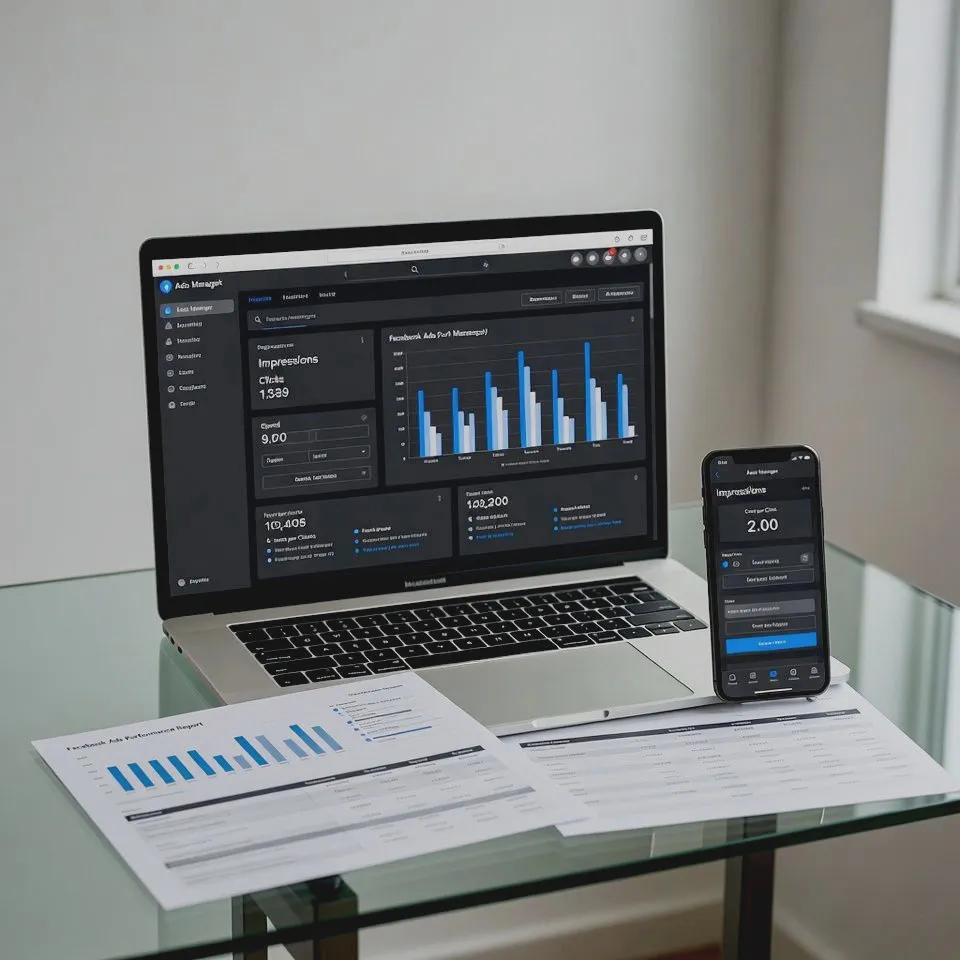
Marketing decisions hang in the balance when data isn’t up to scratch.
A lot of tradies out there are struggling to get a handle on accurate attribution, which means they’ve got no idea which channels are actually driving new customers.
Some of the problems they face include tracking pixels that just aren’t connected, CRM systems that are out of whack, and analytics that just flat out aren’t working.
A solid measurement system should ideally include:
- Pixel tracking on landing pages – it’s a no-brainer, really
- Google Analytics event tracking – this helps get a clearer picture of what’s going on
- Lead tracking based on CRM data
- Integrated call & form tracking – something that a lot of tradies struggle to do
Technical issues can still cause problems with tracking accuracy, and it’s often things that are out of your control, like browser extensions like pop-up blockers or script blockers that prevent events from firing off properly. And if some of your visitors are still using an outdated browser that doesn’t have the latest version, that can cause all sorts of problems with data collection.
And then there’s the issue of crawler bot traffic, which can really distort your reporting dashboards. But with proper traffic management filters in place, you can stop these automated visits from messing up your campaign reports so they actually reflect real people.
Once you’ve got accurate attribution systems in place, campaigns can start optimising for actual booked jobs rather than chasing superficial engagement metrics.
Budget Allocation Across Digital Channels
Now, tradies are always asking me where they should allocate their marketing budgets.
Well, the truth is that directory platforms, organic listings and paid channels all have their own roles to play.
Building a strong acquisition system usually means combining three channels:
| Channel | Primary Role | Competitive Pressure | Control Level |
| Google Business Profile | Local discovery | High | Limited |
| Google Ads | Capture active demand | Moderate | High |
| Meta Ads | Generate new demand | Lower | High |
A well-looked-after Google Business Profile gives you a big leg up on local search visibility, especially when it’s built on a solid base of genuinely glowing customer reviews.
However, search engines only care about capturing existing demand – they don’t go out of their way to create new opportunities.
That’s where Facebook ads Melbourne campaigns come in – they show your service to homeowners who may not be actively searching for your help, but recognise the problem when they see an ad.
By combining Meta campaigns with your search engine optimisation, you can create a balanced system that generates consistent enquiries.
Scaling Ads Without Killing Margins

Blasting the advertising budget up without keeping a close eye on profitability is a sure-fire way to get into financial trouble.
Revenue’s not the only thing that determines whether a campaign is a success – contribution margin is way more important.
For example, a Melbourne HVAC contractor might splash out $3,000 on paid ads and generate 50 enquiries. If 20 of those leads turn into jobs worth $450 each, the campaign pulls in $9,000 in revenue.
But you’ve got to factor in the labour costs, materials and operational expenses too.
When scaling your advertising decisions, you should be based on three key indicators:
- The cost per booked job
- The average job value
- Your contribution margin after all the expenses have been paid
You should increase campaign budgets only slowly to keep performance steady.
By taking a disciplined approach to scaling your performance marketing campaigns, you can let them grow without eating into your profit.
Platform Roles in a High-Performing Digital Strategy
Different advertising platforms influence customers at different stages of the buying journey.
Search platforms are like the emergency services – they capture intent that’s already there, so someone searching for an “emergency plumber Melbourne” needs help right now.
Meta platforms, on the other hand, help create awareness earlier. A homeowner scrolling through social media might see an ad that explains how slow drains can be a sign of a bigger problem.
Then, when that same homeowner later searches for a plumber, the brand recognition created earlier will influence their decision.
In this sense, Facebook ads Melbourne campaigns work alongside Google Ads; they don’t replace them.
The two channels play complementary roles within a broader digital strategy focused on acquiring customers sustainably.
Boosting Long-term Customer Value
Making the numbers add up when it comes to spending on new customers becomes a whole lot easier when you think about the lifetime value rather than just trying to land one job. spending on new customers
For trade services, repeat business is often just around the corner.
Think annual aircon servicing, electrical safety checks, the homeowner needs to do every year, and regular plumbing checks to prevent leaks.
These repeat-business opportunities can be helped along with a simple email marketing system that keeps your customers in the loop.
So if you’ve just done the aircon man a favour and sorted out their broken aircon, you can set an email campaign to go out next year to remind them it’s time to have it serviced again.
And that means higher customer lifetime value. Which, in turn, means you can afford to spend a bit more on acquiring new customers in the first place, and your paid ads will actually make you a profit.
Own Leads vs Buying Leads: What Works
Leads from third-party platforms might give you a quick burst of new customers, but they’re not going to give you any lasting edge over the competition.
The trouble is, lots of other businesses are getting the same leads as you, so you’re all competing on price rather than trying to outdo each other with brilliant service.
Going for leads directly (i.e. ie not buying them from someone else) is a whole different ball game with its own set of rules.
| Factor | Lead Marketplaces | Direct Advertising |
| Lead ownership | The platform controls the relationship | Business owns data |
| Competition | Shared enquiries | Exclusive enquiries |
| Data visibility | Limited | Full analytics |
| Scalability | Restricted | High |
Directory platforms basically work the same way as a medical centre directory – they give you visibility, but don’t actually generate demand.
But a robust digital marketing system powered by Meta and search platforms lets you build a pretty predictable pipeline of exclusive enquiries.
Building a Sustainable Lead Engine

Trade businesses that rely 100% on third-party leads are stuck playing a game of Jenga – any platform price hike or extra competition can send the whole thing crashing down.
The businesses that are smart enough to invest in their own lead-generation channels are the ones building real resilience.
So what makes up a comprehensive system? Well, typically it involves:
- Websites that can actually convert visitors into leads
- Strong local presence in Google listings – so you get found when people are searching in your area
- Targeted Facebook ad campaigns in Melbourne that actually work
- Google Ads search campaigns that are high-intent – people are actually looking for tradies like you
- Having solid analytics and performance measurement in place so you can make informed decisions
The Karma Media Strategy Team specialises in building those systems for service businesses in Australia.
Rather than just focusing on vanity metrics, our goal is simple: build marketing infrastructure that consistently generates profitable enquiries and helps tradies land higher-paying jobs – not just residential gigs, but bigger commercial contracts too.
Eventually, businesses that are stuck on shared leads hit a crossroads: do they keep renting enquiries or build their own demand engine?
With the right digital strategy, a strong funnel in place, and carefully managed Facebook ad campaigns, tradies can finally take control of their customer pipeline and scale in a way that third-party lead providers just can’t match.
FAQ
Yep – when you structure your campaigns right inside Ads Manager with strong targeting and decent landing pages, social media marketing can really become a reliable source of enquiries.
How important are customer reviews for getting those all-important online leads?
Honestly, they make a big difference. Customer reviews not only boost click-through rates and conversion rates – they also help improve trust signals in your advertising and make you more visible in search platforms.
What tools do you use to measure marketing performance accurately?
We use Google Analytics, CRM-based lead tracking, and integrated call & form tracking to ensure we make data-driven decisions that deliver real results.
Are boosted posts a good ad strategy?
Look, boosted posts are okay, but if you want real results, you need to run campaigns in Ads Manager with clear conversion goals. Targeting and optimisation options for boosted posts are just too limited.
How long does it take for a paid campaign to start performing?
To be honest, most campaigns need several weeks of optimisation before they really start paying off. That being said, if you’re consistent with your testing, have a solid tracking infrastructure in place, and make data-driven decisions, you can speed up the process and get results much quicker.