
What Time Do Wineries Actually Close In The Yarra Valley? It’s a question that usually raises its head a bit too late in the day – often while you’re rolling into Yarra Glen and spotting staff stacking up the glasses behind a closed cellar door as you drive past. To put it bluntly: most Yarra Valley wine tastings wrap up between 4:00 pm and 5:00 pm, even though the lights are still on and the winery looks like it’s still open for business.
I’m Paul Beames, and after years of planning itineraries, running a few winery tours here and there, and working with the likes of Wildlife Tours, I can tell you the Yarra Valley isn’t going to wait for you if you’re running late – it’s a daytime wine region run by local grape growers and experts who value a steady rhythm over rushing around.
Contents
- 1 Why Closing Times Are Really Important For Your Day
- 2 What Closing Time Actually Means In Real Life
- 3 Big Estates vs Smaller Producers
- 4 Weekdays, Weekends, And Holiday Hours
- 5 The Valley Works to the Rhythm of Nature
- 6 Restaurants, Private Bookings and After Hours Myths
- 7 Transport Depends on Closing Times
- 8 The Yarra vs The Other Regions – A Comparison
- 9 The Final Word from the Road
- 10 FAQ
Why Closing Times Are Really Important For Your Day
The closing hours in the Yarra Valley don’t just tell you when your wine tasting finishes – they dictate your whole day. Even though vineyard sites might look close together on a map, those winding roads, cyclists, weekend traffic, and the occasional GPS meltdown really make every kilometre count.
Most tasting rooms run long-ish tasting sessions that last around 45–60 minutes, and staff need time to wind down, sort the shop, manage stock, and lock everything up. Turning up late doesn’t just shorten your own tasting – it disrupts the entire cellar door flow.
That’s why every experienced winery tour operator in the valley builds their schedule around closing time, rather than trying to squeeze everything in before dark.
What Closing Time Actually Means In Real Life
This is the detail that catches most visitors out: closing time is not the moment the last wine is poured.
If a cellar door lists a 5:00 pm closing, the final tasting usually wraps up around 4:00–4:15 pm. After that, staff are closing tills, securing the winery, and wrapping up digital booking systems and admin tasks.
Based on years of watching how local operators run their businesses and analysing visitor data, this is how hours typically break down:
| Winery Type | Opens | Last Tasting | Doors Shut |
|---|---|---|---|
| Boutique wineries | 10:00 am | 3:30–4:00 pm | 4:30 pm |
| Mid-size estates | 10:00 am | 4:00 pm | 5:00 pm |
| Large estates with dining | 10:00 am | 4:30 pm | 5:30–6:00 pm |
| Restaurants & outdoor food & wine bars | 11:30 am | N/A | 8:00–10:00 pm |
Wine industry statistics consistently show that most tastings in the Yarra Valley happen before 3:00 pm, with crowds thinning quickly after that. Extended hours exist, but they’re the exception, not the rule.
Big Estates vs Smaller Producers
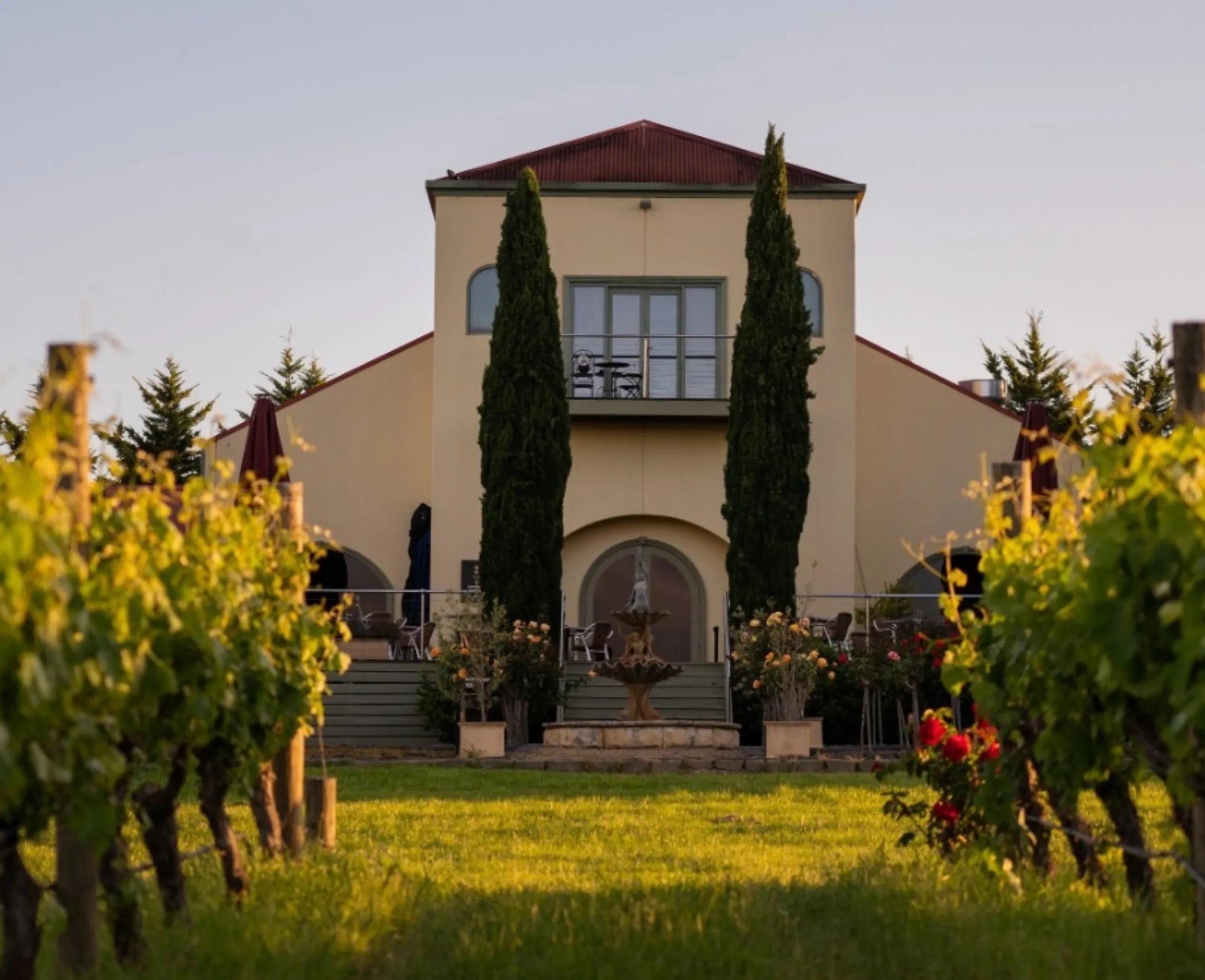
Large, multi-faceted venues like Yering Station or Balgownie Estate can afford longer days. Restaurants, accommodation, events, and multiple revenue streams keep operations running later.
Smaller producers such as Soumah of the Yarra Valley or Oakridge Wines usually close earlier. These are tight-knit teams with hands-on winemakers and seasonal staff. When they close, they really do mean it.
This is exactly why a guided winery tour often blends one larger estate with a couple of boutique wineries – it keeps timing realistic.
Weekdays, Weekends, And Holiday Hours
Not all days operate the same way.
Midweek visits can be tricky – many cellar doors shut by 4:30 pm from Monday to Thursday. Fridays sometimes stretch longer, but it varies widely.
Weekends give you the best chance of extra tasting time, though getting past 5:30 pm is still rare. Public holidays are unpredictable: some wineries extend hours, others reduce them or close entirely. Always check official winery channels rather than relying on map listings.
The Valley Works to the Rhythm of Nature
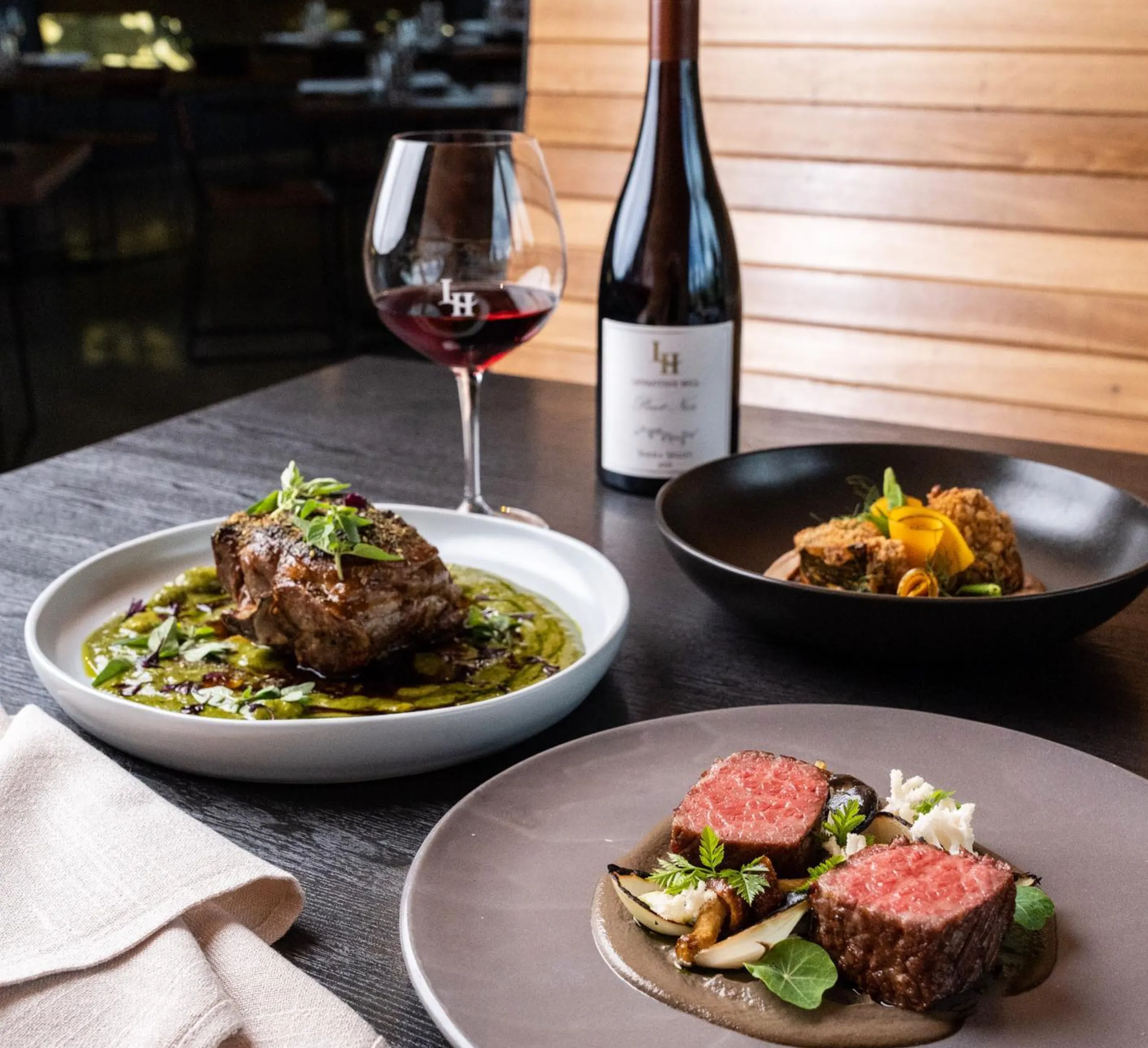
The Yarra Valley operates around the seasons.
In summer, heat pushes tastings earlier in the day, and fire danger days affect afternoon operations. Autumn brings harvest energy and slightly more flexibility. Winter is quiet, with reduced hours and limited weekday access. Spring is unpredictable, with weather fluctuations affecting opening times.
A winery tour in July feels completely different to one in March, even if the map looks identical.
Planning A Day That Won’t End in Frustration
After years of itinerary planning, here’s a structure that actually works:
- Try to get to your first tasting by 10:30 am
- Hit up two vineyard sites before lunch
- Get your lunch sorted early at a winery that’s got good grub
- Wrap up your final tasting by 4:00 pm
This approach keeps things relaxed and staff engaged. Trying to squeeze in “just one more” stop late afternoon is how you end up with a rushed Pinot Noir tasting – or worse, miss it altogether.
Operators like Wildlife Tours build this logic into every winery tour they run – because the clock is what really decides the day, not enthusiasm.
Restaurants, Private Bookings and After Hours Myths

Not all wineries that stay open for dinner have extended tasting hours. Cellar doors usually close early, no matter how nice the evening is. Restaurants and outdoor food & wine bars can stay lively well into the night, but they’re a different kettle of fish.
Many venues do offer private bookings outside regular hours – but these are pre-arranged, paid experiences that must be booked well in advance. You can’t just rock up and expect an after-hours tasting.
Transport Depends on Closing Times
Transport is another thing people overlook once wineries start closing.
Tour operators aim to get vehicles out of the valley before dark. Rideshare services become unreliable after 6:00 pm, and if you’re self-driving, you need extra time to get back safely on country roads. That’s why planning transport ahead is critical – and why experienced operators stick to realistic itineraries.
The Yarra vs The Other Regions – A Comparison
Many visitors assume the Yarra Valley operates like the Macedon Ranges or the Mornington Peninsula – but it doesn’t.
Mornington leans heavily into dining and late-afternoon experiences. Macedon tends to run with shorter hours and a more laid-back pace. Each region’s rhythm is shaped by climate, visitor numbers, and the local business model.
Misunderstanding how the Yarra Valley works is a sure-fire way to end up disappointed.
The Final Word from the Road
If there’s one lesson from years of navigating the valley, it’s this: the Yarra Valley rewards people who start early and come prepared. Respect local schedules, understand how tasting rooms operate, and the day tends to fall into place.
Whether you’re self-driving or joining a wine tour with winery tour with Wildlife Tours, timing is the difference between a nice day out and an absolutely fantastic one. Start early, take it steady, and let the valley move at its own pace.
FAQ
Do Late Afternoon Tastings Happen Here?
No. Wine tastings in the Yarra Valley are largely a daytime activity, with most places pouring their final glasses by mid-afternoon.
Do Bigger Wineries Keep Tasting Rooms Open Later Than Smaller Ones?
Usually not. Even large estates tend to finish tastings before dinner service begins.
Can A Wine Tour Arrange Private Tastings After Normal Hours?
Only with advance booking. These are private sessions, not walk-in experiences.
Do Hours Change When It’s Harvest Time?
Yes. During harvest, hours can shift depending on staff availability and vineyard demands.
Is It Still Worth Visiting in The Off-Season?
Absolutely. You’ll just need to plan a bit more carefully around shorter days and reduced hours.