
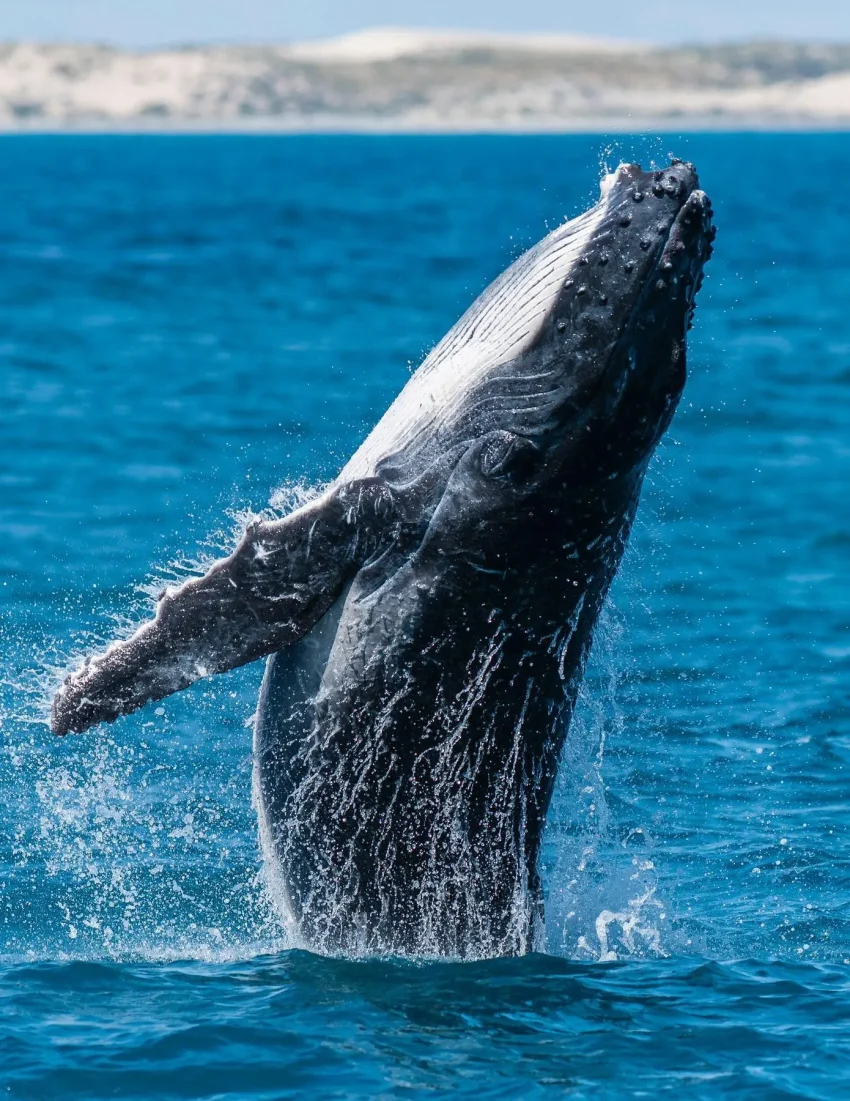
Is it really too late for whale shark season in Western Australia? Let’s get an honest answer from Paul – if you’re chasing them between April and July, you’re right in your element – it’s the sweet spot. August might still bring some magic, but at this point, you’re relying a bit on luck rather than a sure thing. By September, you’re normally looking at slim pickings
I’ve seen plenty of travellers roll up to Ningaloo Reef convinced they’ve missed out, only to be swimming alongside a whale shark just hours later. And on the flip side, I’ve seen others arrive during peak season expecting a guaranteed whale shark show, only to get frustrated when nature takes its own sweet time. That’s just the way it works on the Coral Coast – you can plan all you like, but you don’t get to dictate the outcome
If you’re looking to slot this in with a bigger Australia safari across across Western Australia, then this stop is absolutely a highlight – but timing it just so makes all the difference
Contents
- 1 How The Season Works
- 2 What You Can Expect Across The Season
- 3 Travelling Late Without Wasting Time
- 4 What Late Season Actually Gives You Back
- 5 Where To Stay For The Best Access To The Reef
- 6 What A Typical Day Out On The Water Really Feels Like
- 7 What Else You’ll See On The Reef
- 8 Getting Off The Water And Exploring The Cape Range
- 9 What You’re Paying For Explained
- 10 Getting To Exmouth – The Distance Thing
- 11 Pack Right For The Day
- 12 Respecting Country And Keeping The Reef Healthy
- 13 Timing Your Visit: The Clear Lowdown
- 14 Timing Matters, Keep Perspective
- 15 FAQ
- 15.1 What Time of Year Does It Get as Good as It Does for Whale Shark Spots?
- 15.2 Coral Bay or Exmouth: Which One Should I Base Myself Out Of?
- 15.3 Do I Need to be Some Kind of Super Swimmer to Participate?
- 15.4 What if You Don’t Find Any Whale Sharks On Your Day Out?
- 15.5 Can You Do This as Part of a Bigger Western Australia Adventure?
How The Season Works
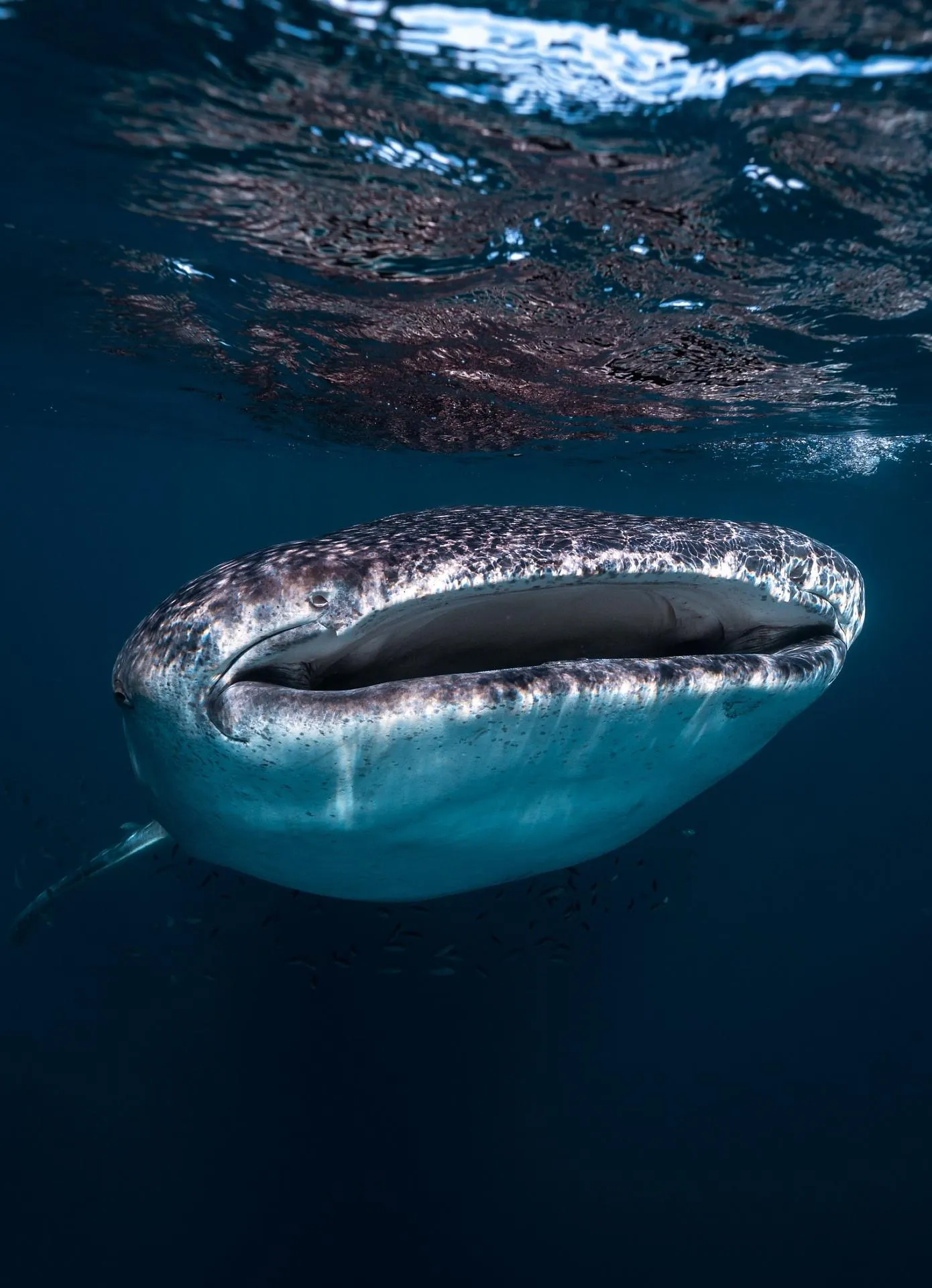
Whale sharks don’t just show up out of the blue along the coast. They’re actually tied in with the annual coral spawning event when the reef lets loose those extra nutrients that kick off a plankton bloom. That’s what brings them close to us
This predictable little cycle is actually what makes Ningaloo one of the most reliable places on the planet to run into these guys.
What You Can Expect Across The Season
| Month | Likelihood Of Sightings | Conditions |
| March | Low to Moderate | Early arrivals, fewer tours |
| April | High | Spawning kicks off feeding activity |
| May | Very High | Consistent sightings |
| June | Very High | Best mix of weather and activity |
| July | High | Slight decline, still strong |
| August | Moderate | Fewer sharks, more searching |
| September | Low | Late stragglers only |
Tour operators often boast 90-99% success rates during peak months. But by Aussie wildlife standards, that’s hardly impressive – although, in all fairness, it’s still as reliable as you’re going to get in these parts.
That’s why this particular stretch of water is often described as a real marine paradise – and not because they’re just using buzzwords, but because it’s a reputation that consistently gets backed up.
Travelling Late Without Wasting Time
If your trip happens to fall in August dont panic. You might not be in the midst of the main season, but you’re not out of luck.
I’m fortunate enough to have run trips out of Coral Bay during this time of year, and while you might not catch the big ones right away, you can still get results. You’re just more likely to end up scanning the horizon, waiting patiently and relying on your spotter plane to help you track them down.
What does stay the same, though, is the likelihood of seeing whale sharks – it’s the certainty of when that’ll happen that changes
What Late Season Actually Gives You Back
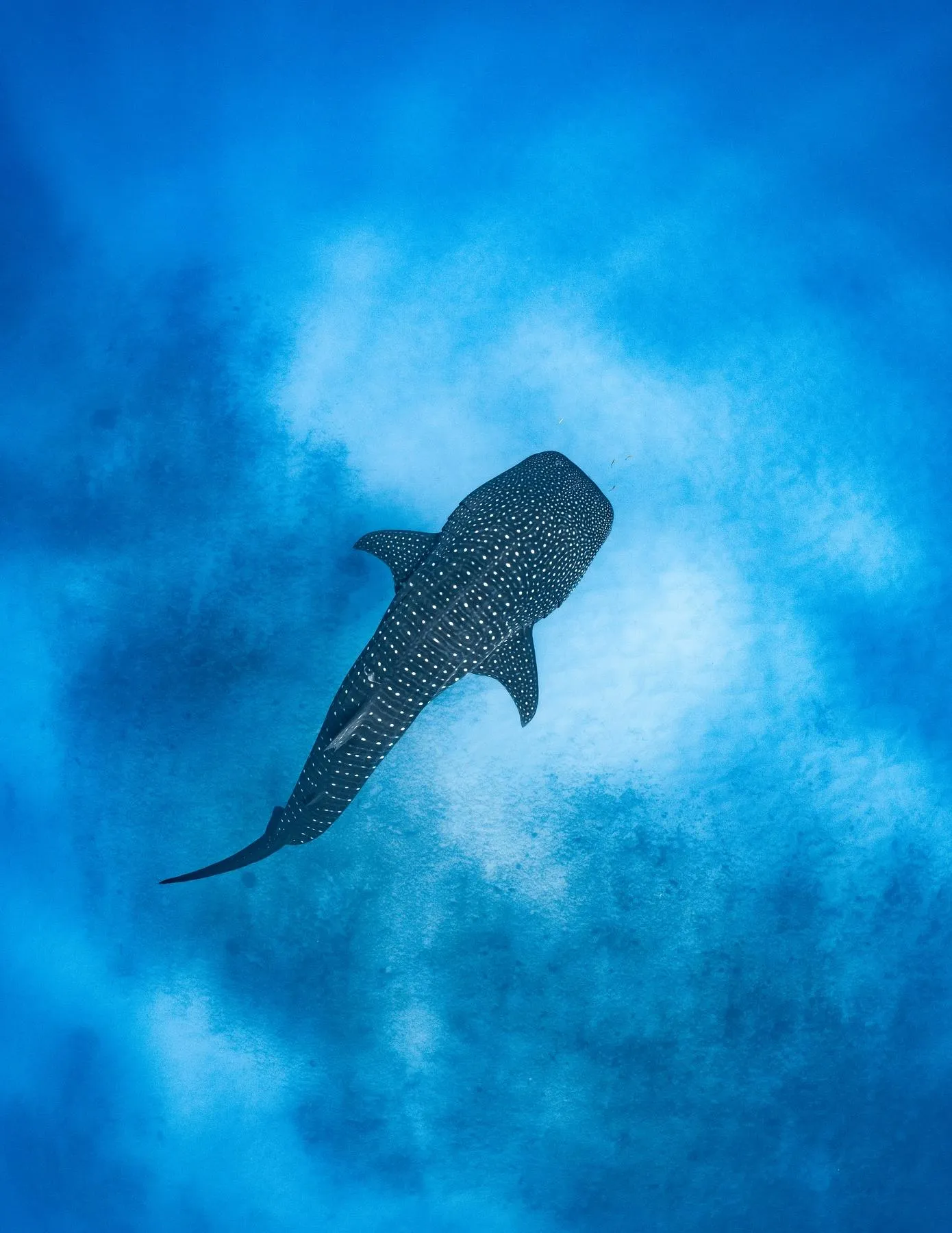
That’s where a lot of people get the pleasant surprise. Yes, you might not see as many whale sharks as you would during the height of the season, but the rest of the marine life starts to get into its own rhythm.
The whales start to migrate in, the reef stays active, and you start to see some really cool stuff – like humpbacks, occasionally blue whales, or even pilot whales further offshore. In fact, late-season trips often end up being the most varied – even if you do need to go a little out of your way to find the bigger fish.
And let’s not forget about the accommodation and tours themselves. Not only are booking days a breeze, but you’re not packed in like a sardine on a busy boat.
Where To Stay For The Best Access To The Reef
Now, when it comes to this stretch of WA coastline, it’s not exactly spread out. It’s a bit of a party, all in one spot.
Exmouth is the hub of the operation – giving you plenty of tour operators to choose from and loads of flexibility. On the other hand, Coral Bay is the quieter, more laid-back option that just so happens to sit right on the edge of the reef.
And that’s a big deal – because Ningaloo Reef is the world’s largest fringing reef – meaning it runs alongside the coast, not floating off out to sea somewhere. That makes all the difference. Less travel time, clearer water, and a whole lot more accessibility.
What A Typical Day Out On The Water Really Feels Like
You won’t find much glamour in those early morning hours, especially not before the sun comes up. That’s when you typically catch a quick coffee and get the lowdown on what’s likely to happen.
As you climb aboard – be it a boat that’s got all the gear you need or one of those fancy luxury vessels – you’ll get fitted out with snorkel gear, a life jacket, and any other flotation you might need.
Then it’s a bit of a lazy cruise and some scanning around while those spotter planes or scenic flights keep an eye out from above.
But as soon as a whale shark is spotted, everything changes in a flash – you line up, dive on in, and then it’s a mad dash to keep up – or at least, that’s what I thought would happen on my first time.
They look like they’re moving at a snail’s pace, but oh boy, are they not. I remember jumping in and thinking I’d just float along beside one – not a chance. I was kicking as hard as I could, just trying to keep up, so out of breath, but it’s actually not that bad once you get the hang of it.
After that, it’s like nothing else matters. That’s when the surreal bit kicks in, and suddenly it hits you – this is no ordinary day out – this is actually a real bucket-list experience.
What Else You’ll See On The Reef
Even when the sharks don’t show up straight away, Ningaloo usually still delivers the goods.
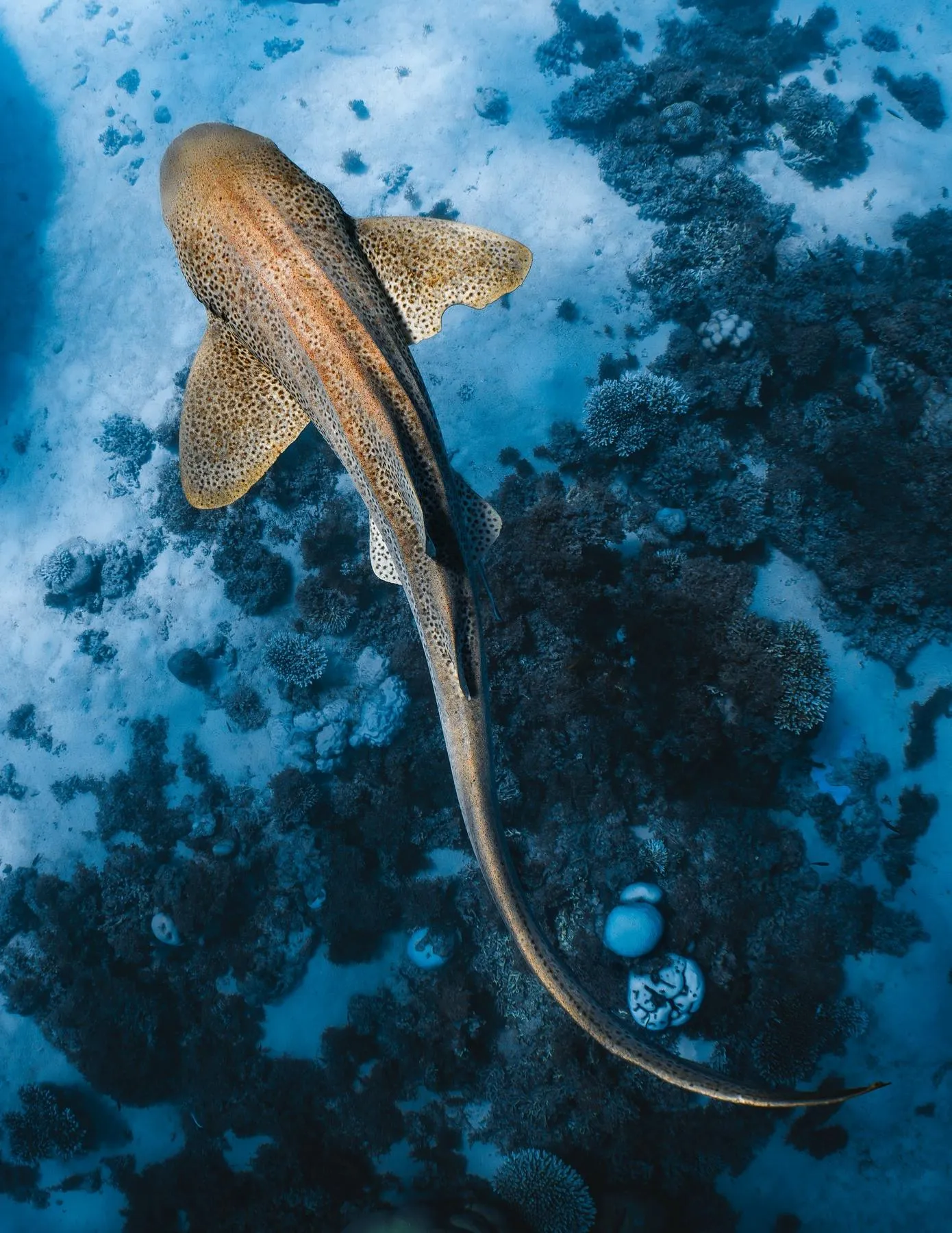
You’re pretty much guaranteed to see manta rays gliding on by, some sea turtles munching away on the reef, and schools of fish zooming through the water in places like the Coral Gardens. And of course, reef sharks are pretty common too – just keep your distance and stay chill.
Just a heads up, if you’re planning on going further up or down the West – places like Shark Bay or Bremer Bay offer completely different ecosystems, so it’s worth keeping an eye on if you’re planning a longer trip.
Getting Off The Water And Exploring The Cape Range
Don’t get it twisted – this isn’t just a one-day thing.
The land side of this region is just as good as the water. Cape Range National Park offers a rugged coastline, beautiful, quiet beaches, and proper 4×4 tracks that are a bit rough but definitely worth a shot.
Take a short walk through Mandu Mandu Gorge, and you get to see the other side of the landscape – dry, rocky, and red against the blue of the ocean.
It’s just that typical WA stuff – one side the ocean, the other the outback, and just that contrast is magic.
What You’re Paying For Explained
Whale shark tours, on average, come in around $450 – $650 AUD per person.
At first glance, it can seem pretty steep, but once you take a closer look at what’s involved, it starts to make a lot of sense.
You’re covering costs for a whole lot of coordinated effort, including aircraft spotters on the ground, trained guides who know what they’re doing, tight safety protocols, and strict sustainability compliance. Some operators, like Wildlife Tours, actually work really closely with ongoing research programs and often have a marine biologist on board who helps keep their protocols up to date.
And let’s be clear – this isn’t just tourism, we’re talking conservation-backed access
Getting To Exmouth – The Distance Thing
Exmouth is bloody remote, and that’s part of the charm, but it does mean you need to plan ahead.
The majority of people fly from Perth to Learmonth Airport and then drive 30-40 minutes into town, or, if you’re up for it, you can drive from Perth. Just keep in mind it’s a long way – 1200 km at least, and you’ll be sharing the road with the occasional road train.
If you’re building an even bigger Aussie adventure, then it fits in nicely as part of a bigger loop of the Coral Coast
Pack Right For The Day
Don’t overcomplicate things; you just need to get the basics sorted.
A good long-sleeve rashie is essential – the sun up here is intense and relentless. Don’t even think about coming without reef-safe sunscreen, and if you think you might get seasick, then motion sickness tablets are worth bringing along.
Most tours will have all the snorkelling gear you need, so you don’t need to bring your own unless you really want to
Respecting Country And Keeping The Reef Healthy
This part of the country is home to the Traditional Owners – the Baiyungu, Thalanyji, and Yinikurtura peoples – so when you’re out on the water, there are a few simple rules to remember. Keep a safe distance from the wildlife, follow your guide, and don’t touch the reef.
These rules aren’t just about keeping you safe – they’re what help keep this ecosystem ticking over in the long term.
Timing Your Visit: The Clear Lowdown
Want to give yourself the best chance of seeing whale sharks in all their glory? May or June is probably your best bet. The conditions and sightings align in a way that’s just about as good as it gets.
If you find yourself planning a trip for August, don’t go in thinking you’ll get the same result as May or June. There’s still plenty of fun to be had, but the experience won’t be quite as reliable.
Realistically, if you’re planning to visit in September or later, you’d probably be better off looking at some of the other amazing marine experiences WA has to offer instead of trying to chase whale sharks.
Timing Matters, Keep Perspective

I’ve seen people get so caught up overthinking this that they end up not going at all.
Timing can be important, but to be honest, this part of WA – from Cape Range on out to the reef – is pretty much one of the richest marine environments you’ll find anywhere in the country.
Whether you’re swimming with whale sharks, watching for whales as they migrate, or just floating over coral, the place delivers in its own unique way.
Get your timing in the ballpark, stay flexible, and you’ll likely leave with a story that’s worth telling.
FAQ
What Time of Year Does It Get as Good as It Does for Whale Shark Spots?
Late May to June is usually when the weather is pretty reliable, with calm conditions and frequent whale shark sightings.
Coral Bay or Exmouth: Which One Should I Base Myself Out Of?
Coral Bay gives you instant access to the reef, whereas Exmouth gives you more accommodation and tour options to choose from.
Do I Need to be Some Kind of Super Swimmer to Participate?
You just need to be OK with open water – but don’t worry, most tours will have flotation devices on hand plus clear guidance throughout.
What if You Don’t Find Any Whale Sharks On Your Day Out?
Most operators will let you come back and try again another day. Just make sure to confirm that when you book.
Can You Do This as Part of a Bigger Western Australia Adventure?
Absolutely – a lot of people link this area up with other coastal drives, inland explorations, and wildlife-watching spots across WA.